Categories
New Pool Construction

How Long Does it Take to Put in a Gunite Pool?

If you’ve been thinking about adding a Gunite pool to your Western or Upstate New York home, the timeline question comes up early and for good reason. A Gunite pool is a significant project, and knowing what to expect from start to finish helps you plan around your schedule, coordinate with your contractor, and avoid the frustration of unrealistic expectations.

Here’s an honest breakdown of what the construction process looks like and how long each phase typically takes.

The Overall Window

From the day construction begins to the day you’re swimming, most Gunite pool builds take 8 to 12 weeks. That’s a general range, and several factors can push a project toward the shorter or longer end of it. Design complexity, site conditions, material availability, and weather all play a role. In the Syracuse area, weather is probably the biggest wildcard, and it’s worth building some buffer into your expectations from the start.

Before the Build Begins: Design and Permitting

Construction can’t start until permits are approved, and permitting timelines vary by municipality. In the Syracuse area, this process can take anywhere from two to six weeks depending on your town or county. During this phase you’ll also be finalizing your pool design, choosing finishes, and making decisions about features like water elements, automation, and lighting. Getting these decisions locked in before construction starts keeps the project moving without unnecessary delays once the crew is on site.

Excavation

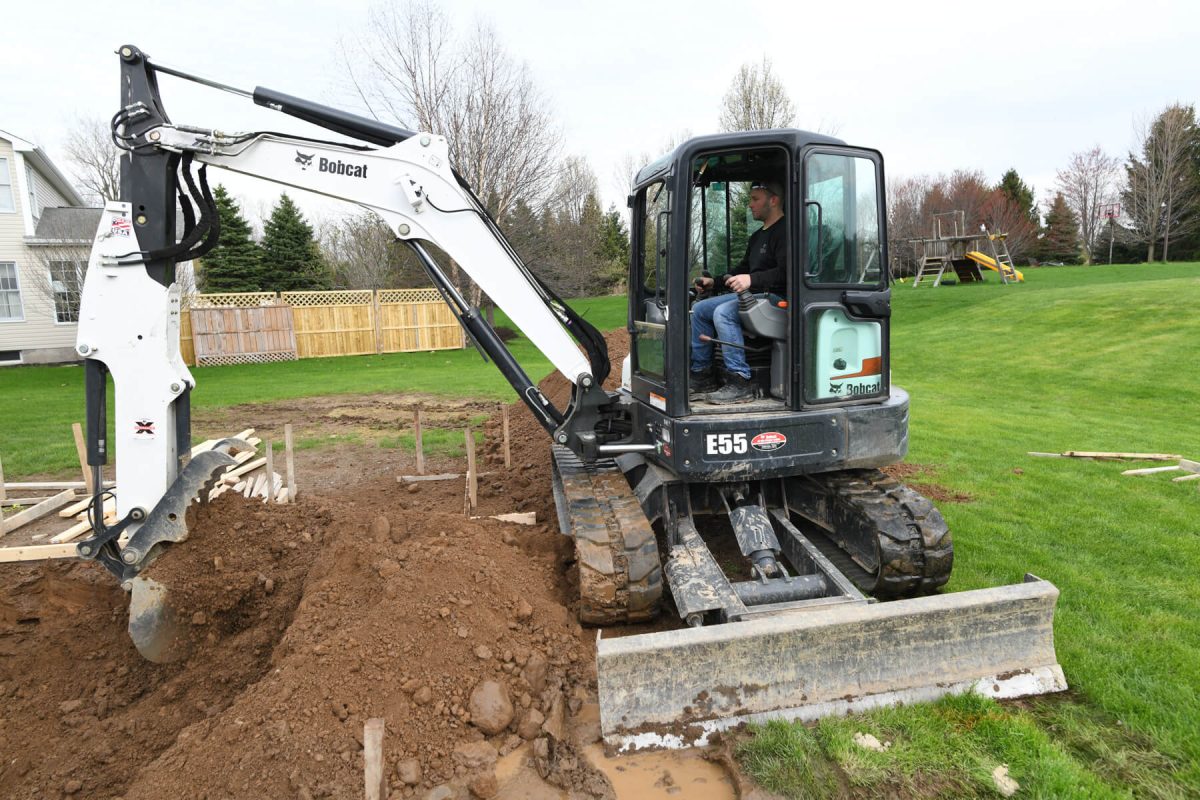
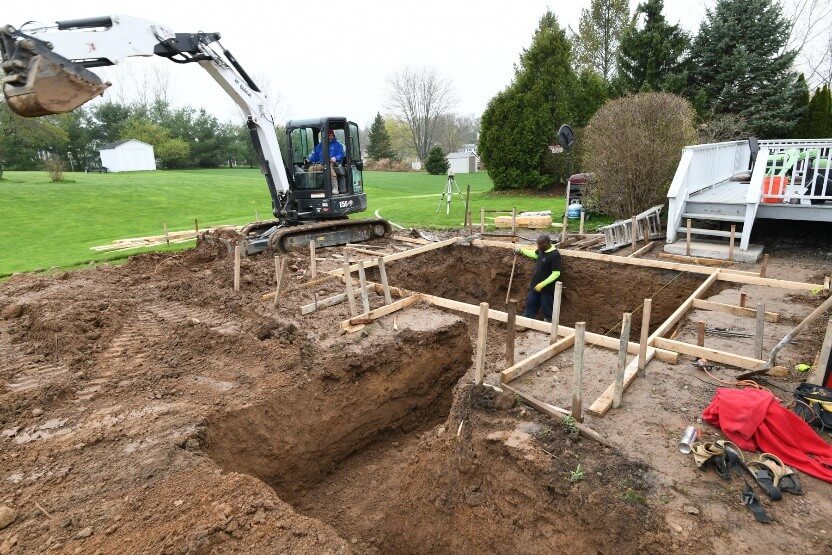
Excavation is one of the faster phases of the build. Once the site is marked and the crew arrives with equipment, digging out the pool typically takes one to two days. The timeline depends on the size of your pool, how accessible your yard is, and what’s encountered underground. Central New York soil conditions, including rocky terrain in some areas, can occasionally slow things down.

Steel and Plumbing

After excavation, the steel rebar framework goes in. This is the structural skeleton that gives your Gunite shell its shape and strength. Plumbing lines are run at the same time, including return and suction lines, connections for any water features, and the equipment pad hookups. Plan for one to two weeks for this phase depending on the size and complexity of the build.

Gunite Application and Curing

The Gunite is sprayed onto the steel framework by a specialized crew in a single session. Once the shell is applied, the curing process begins. This takes approximately 28 days and involves wetting down the shell regularly to support proper curing. This stretch is often the longest single waiting period in the entire build, and it genuinely cannot be rushed. Skipping or shortening the cure time compromises the integrity of the shell in ways that can cause serious problems down the road.

Tile and Coping

Once the shell has fully cured, the finish work begins. Waterline tile is set, coping goes in around the perimeter. Depending on the scope and the materials selected, this phase typically takes one to two weeks.

Interior Finish and Startup

The final step before filling is the interior surface application, whether plaster, quartz, or pebble aggregate. The pool is filled with water immediately after the finish is applied, and the startup period begins. Water chemistry is carefully managed during this phase to protect the new surface as it cures. Your contractor will walk you through what your pool needs during this window and what to watch for.

Planning Around Syracuse Seasons

Syracuse winters arrive early and hit hard, which makes construction timing more important here than in many other markets. Most local builders aim to start Gunite projects in spring or early summer to ensure there’s enough warm weather to complete the build, including the curing phase, before temperatures drop. If you’re thinking about a pool for next season, the time to start the conversation is now, well before the spring rush.

Precision Pool and Spa builds custom Gunite pools in the Syracuse area. Reach out today to start planning your project and get on our build schedule.
Categories
New Pool Construction

In-ground Pool Cost

How Much Does and In-ground Pool Cost?

Every project is unique, just like every backyard. At Precision Pool and Spa, we build everything from $35,000 custom spas to $500,000 full-scale outdoor estates. During your complimentary consultation, we take the time to understand the features, finishes, and enhancements you envision. From there, we provide a clear and customized estimate based on your preferences. Our pricing is transparent, and you’ll find that many high-quality elements are included in our base price, with no surprise upcharges for the essentials.

Why We Only Build Gunite Pools

We’ve done the research. After decades in the pool industry, we’ve worked with all types of pool systems—and our choice is clear. We believe in the strength, beauty, and flexibility of custom gunite pools. It’s why we’ve built our reputation and our business around one specialty: designing and constructing premium in-ground gunite pools and spas. No two Precision pools are the same, because no two clients are the same. If you’re looking for fiberglass or above-ground options, we may not be the right fit—but if you’re dreaming of a completely custom gunite pool, you’re in the right place.

Starting Costs

The starting price for a custom-designed gunite pool is typically between $80,000 and $90,000*, with the total investment varying greatly depending on size, features, finishes, and site conditions. We’ve designed everything from elegant spas to expansive backyard estates exceeding several hundred thousand dollars. Because every project is entirely custom, we begin with a conversation, learning your vision, evaluating your site, and preparing a personalized estimate tailored to your needs.

*updated May 2025

What Influences Pool Cost?

There are many factors that impact the overall cost of your custom gunite pool. Some are straightforward, like the size of the pool or the number of features, while others depend on site logistics or utility access. Here are a few key considerations:

Location and Site Access

Where the pool will be built affects more than just its layout. We consider how equipment will access the site, where excavated soil will be stored, what lies beneath the ground, and how utilities like gas, water, and electric will be run. Septic systems, setbacks, and drainage also come into play and can impact both the scope and timeline of the project.

Features and Enhancements

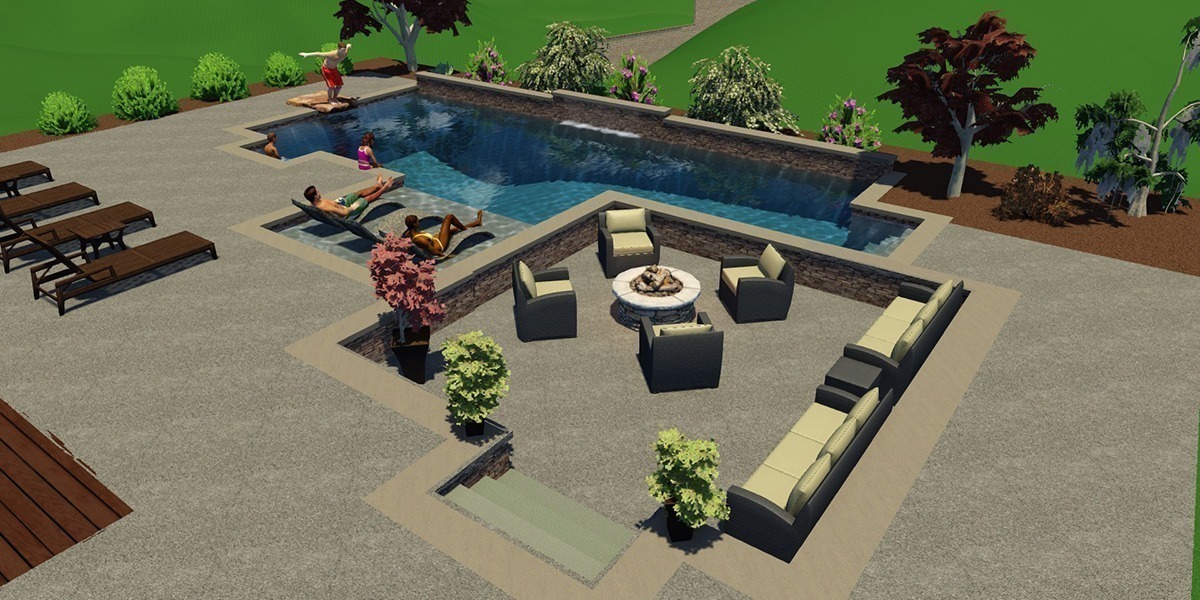
Your choice of features will shape both the design and the investment. Some elements, like tanning ledges or lighting, are commonly included in most designs, while others, such as fire pits, waterfalls, diving rocks, or automatic covers, can significantly expand the scale of the project. We guide you through all the options during your consultation and include everything you choose in your proposal.

Landscaping

While we don’t offer in-house landscaping or hardscaping services, we collaborate closely with the area’s top landscape architects and designers to bring your entire backyard vision to life. Whether you’re planning lush plantings, patios, outdoor kitchens, or retaining walls, we’ll point you in the right direction and help coordinate your complete outdoor transformation.

GET STARTED

Categories
New Pool Construction News Pool Maintenance

Fire Pit Designs

Burnin’ For You

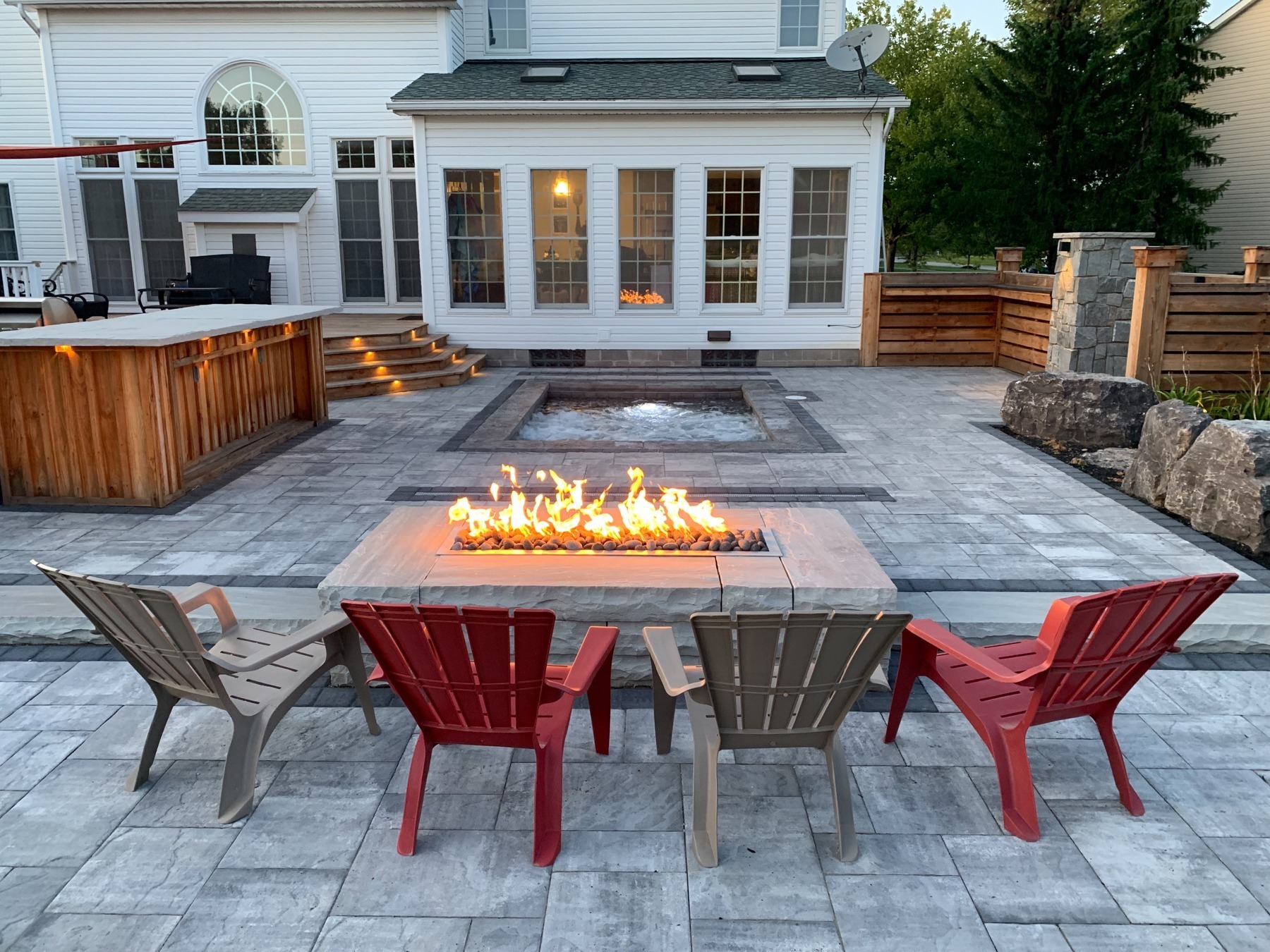
What is the opposite of water? Fire! What compliments a professionally built pool and beautifully landscaped yard nicely? A fire pit! That’s right, we dig and install fire pits too. Today, we’re going to look at some fire pit designs to get your imagination going, so let’s turn up the heat.

Why People Get Fire Pits

Modern technology has allowed fire pits to become more diverse than ever. They don’t even have to be pits anymore. But why do people buy fire pits? What do they add to your home?

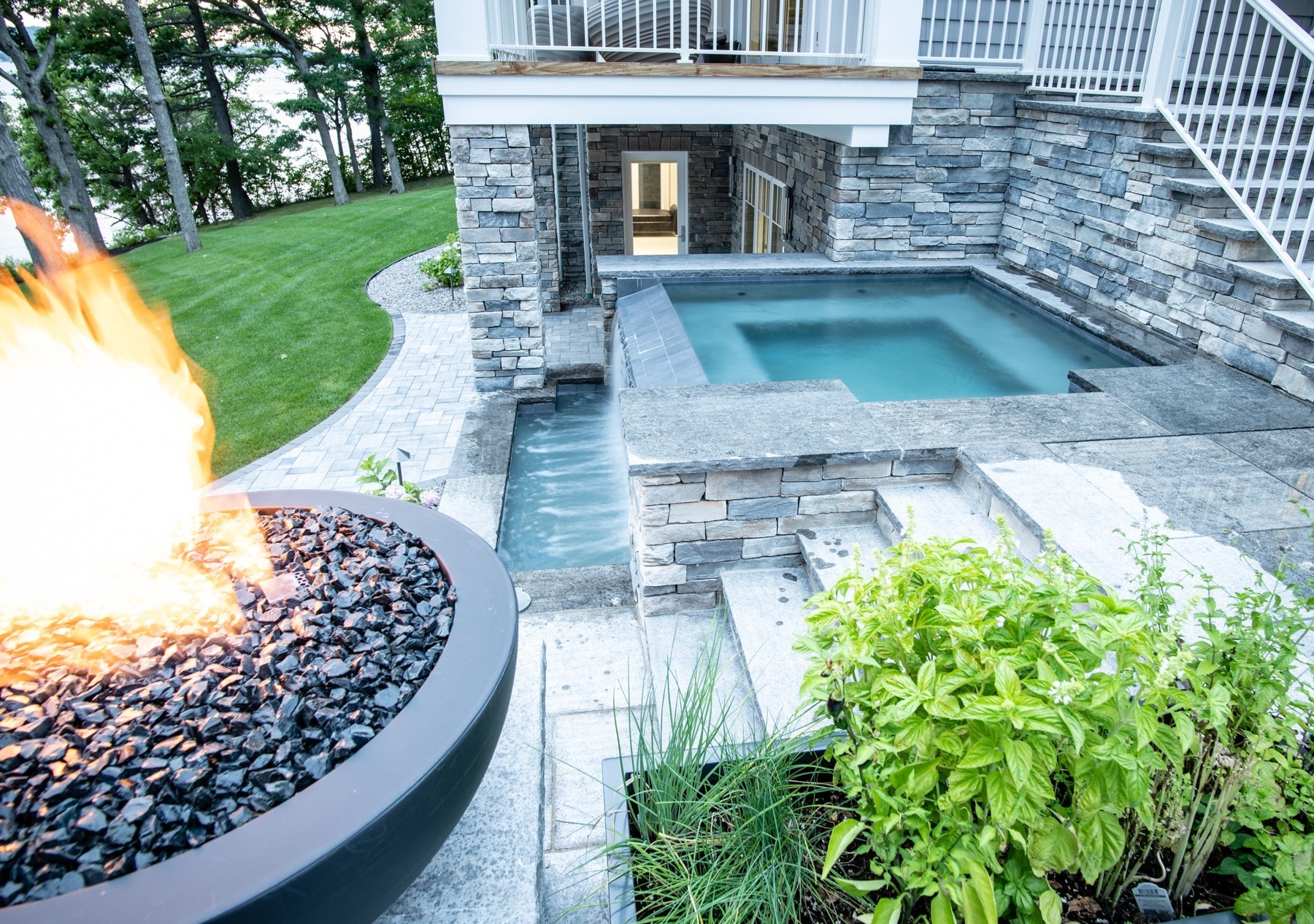
Canandaigua Lake Spa Fire Pit

Lake View Spa and Fire Pit

  • Fire pits are a beautiful aesthetic feature that lends light and ambiance. A fire pit can have any look you want – rustic, high-tech, luxurious, sculptural, etc.
  • Fire pits create a gathering spot that is not only attractive, but functional. Fire pits keep your guests warm and comfortable. We love a backyard party, and if your fire pit is designed to be used for cooking, a grill master is sure to love it too.
  • Fire pits are an effective bug deterrent. Even if there is little smoke, a fire pit is excellent for keeping mosquitoes, gnats, and other pests away while you enjoy the outdoors.

Types of Fuels for Fire Pits

To talk about the types of fire pits available, we should talk about the types of fuel and the types of setup. The types of fuel include:

  • Wood: Firewood can be purchased at your local hardware store, or, if you have the right experience, tools, and safety measures, you can cut your own. Firewood should be stored in a dry place, away from heat or fire hazards like wiring or electric sockets.
  • Charcoal: If a wood pile isn’t for you, consider charcoal. It too is widely available in different shapes and scents and also has other uses, like grilling.
  • Natural gas: The gas line for a natural gas-burning fire pit can come from the house or a portable tank. Natural gas means little to no smoke and a greater degree of safety, as the burner can simply be switched on and off.
  • Gel fuel: This is made from isopropyl alcohol and is sold in cans that burn for two or three hours apiece. Some can even make crackling sounds to imitate the sounds of wood burning. These cans can be used individually or in multiples and are simple to use.
  • Bioethanol fuel: Also known as biofuel, this is an eco-friendly fuel source made from plant byproducts. These materials come from crops like sugarcane, rice, sorghum, and corn. After the crops are harvested, the remnants are fermented to make a clean-burning fuel.

Types of Fire Pit Designs

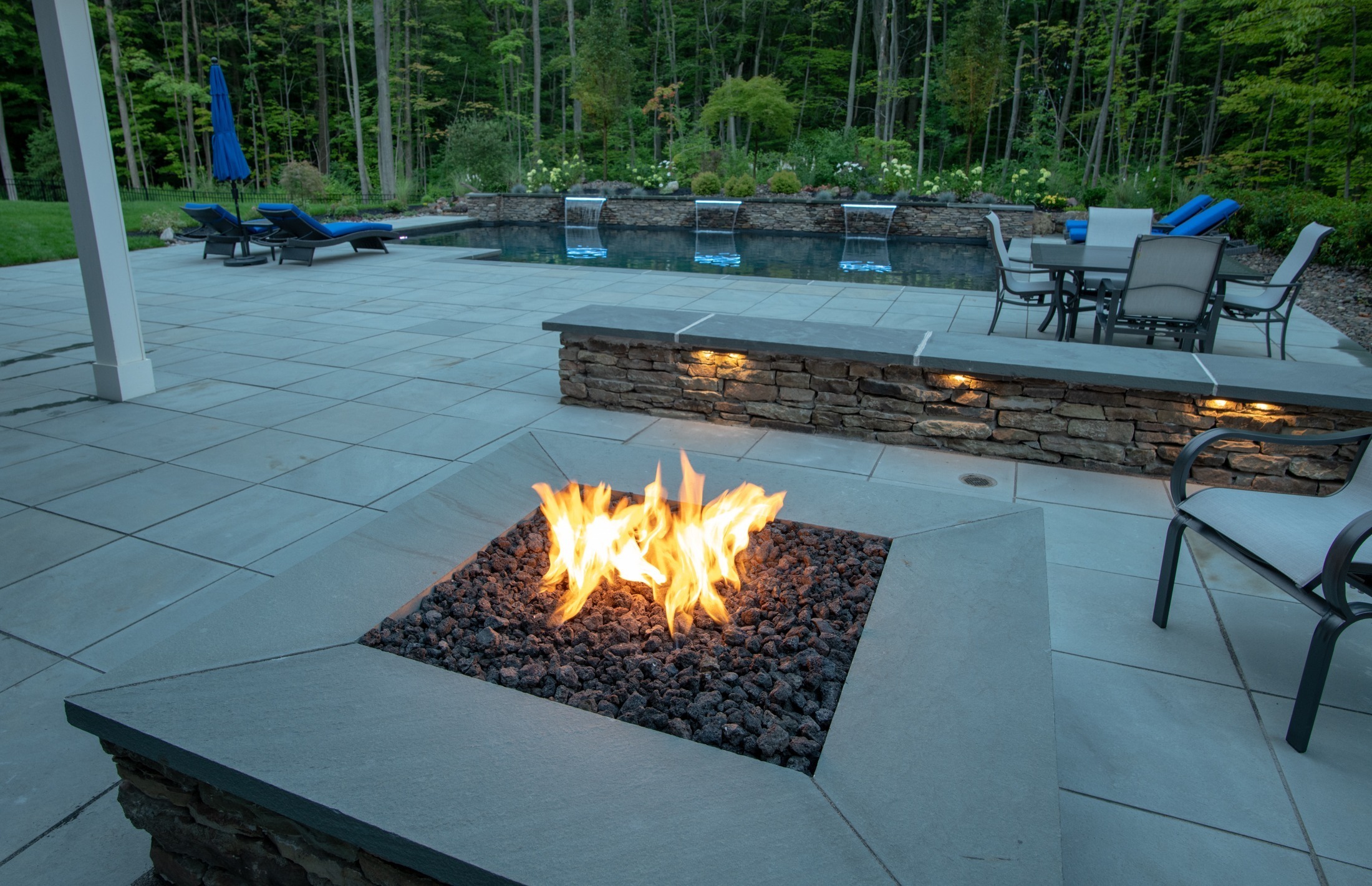
Pool and Spa with Fire Pit

Pool and Spa Combo with Fire Pit

When we design your fire pit, one of the things we consider is what materials to use. Metals like stainless steel, copper, and cast iron are good choices. These materials are strong, long-lasting, and don’t carry the same safety concerns as some materials commonly found in DIY projects like cinder blocks, which can explode.

What are some of the options we look at when designing a fire pit that will beautify your home and improve your social and recreational life?

  • Above-ground: An above-ground fire pit can be a brazier, urn, tabletop, bowl, a gravel pit with a stone circle, etc. Most of the time these are portable, removing the need for digging. An above-ground fire pit presents dozens of uses and looks to choose from.
  • Dug-in: These are set into the ground and can be brick, concrete, or stone, cut in regular or irregular shapes. These help contain sparks from fuels like wood, but don’t allow heat to radiate out from the sides as much.
  • Outdoor fireplaces, chimineas, or fire columns: An outdoor fireplace can be built right into a patio with included flue. A chiminea is usually made from terra cotta and is shaped rather like a light bulb. They are front-loading and stand upright on legs. A fire column is a pillar with the flame set on top. They are usually propane-fueled and come in a variety of sizes and shapes. They have an elegant, modern look and are good for those who want to save space or place multiple fire columns around their outdoor space.

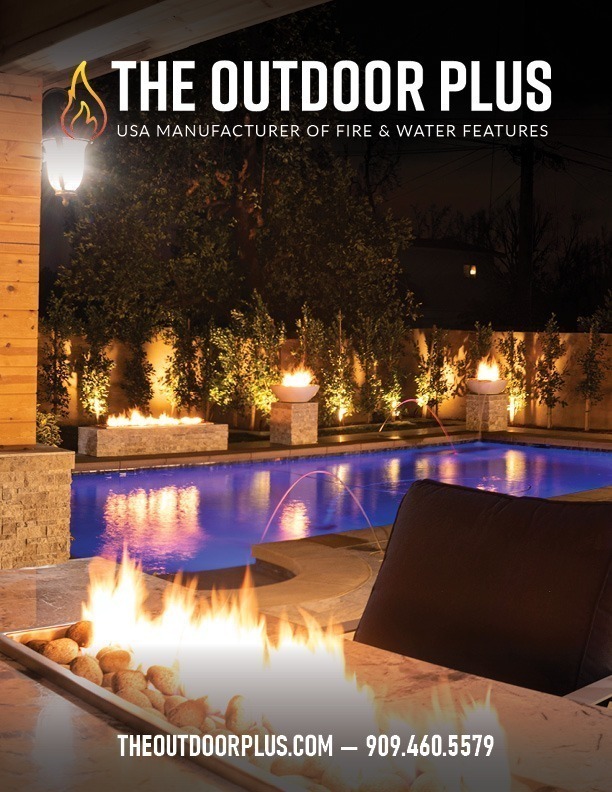
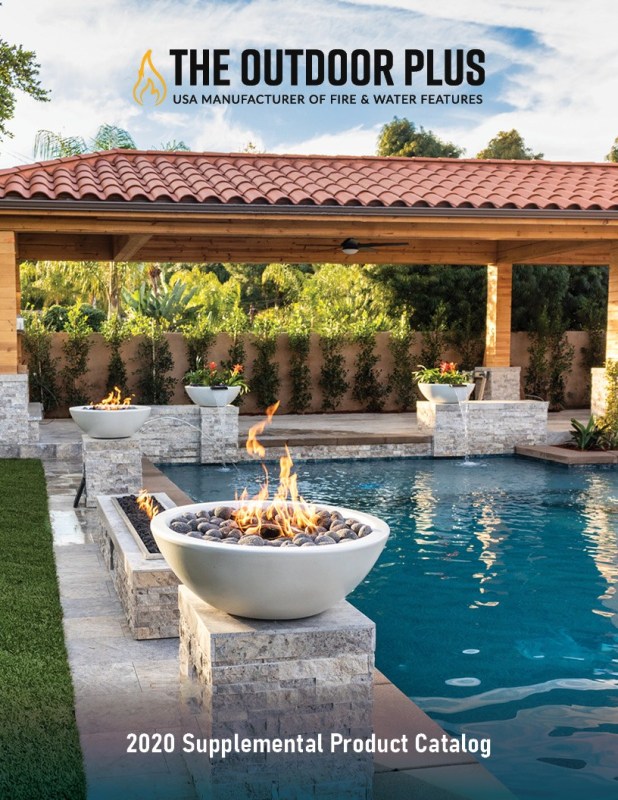
Take a look at some of these fire pit designs from our partner, The Outdoor Plus, for inspiration.

The Outdoor Plus 2019 Catalog

The Outdoor Plus Catalog

The Outdoor Plus 2020 Catalog

The Outdoor Plus New Products Catalog

Fire Pit Safety

The safety of your family and guests is our top priority when designing and building fire pits. Always practice fire safety and do not leave your fire pit unattended, especially if children or animals are present. Our safety considerations include:

  • Using the right building materials: Any material that is porous, like concrete blocks or pea gravel, should not be used for a fire pit. These can trap steam and explode, sending hot rock flying.
  • Choosing the right spot: Fire pits, fireplaces, chimineas, fire columns, and braziers should never be positioned under or near roofs, walls, or trees. Note the building codes for your area to find out the minimum distance required between your fire feature and nearby structures.
  • Choosing the materials for the outer parts of your fire pit, like walls or bowl edges: We don’t want anything that will heat up too much on the outside while still providing warmth.
  • Including the right accessories for your fire pit: If you intend to cook over your fire pit, there should be items like cooking grates, tongs, and skewers that will protect your hands and your food. For wood-burning pits, a metal screen will keep ashes and bits of coals from jumping or being blown out by wind. A cover with the right weight and shape will keep your fire pit dry and contained when not lit.

Let’s Light It Up

Spool Fire Pit

Spool and Fire Pit

A fire pit can transform the entire area around it and unlock endless possibilities for fun, hospitality, and decor. We love designing and building fire pits, from painted chimineas on a Southwestern-styled patio, to dug-in pits with irregular stones that meld with the surrounding earth, to sleek metal pillars with delicate, candle-sized flames. Each is different and shows the personality of those who will enjoy it. Contact us today to explore your options for an elegant, functional, and safe fire feature for your home.

Categories
New Pool Construction News Pool Maintenance

The Best Time to Plan and Build Your Pool

We’re Always Up for a Pool!

We’re going to spoil this article right away by saying that Precision Pool and Spa plans and installs pools all year round. Even in Rochester, NY, we are building gunite pools 12 months out of the year. That being said, our outdoor pool construction is subject to weather and it slows down in February. If we were waiting around to build pools, we would tell you that there are more enjoyable times to build. As it stands, we have a current project list of pools we are constructing and can give you an estimate of when we can start on your pool based on when you commit to the project.

Pool Planning and InstallationThe Best Time to Start Planning

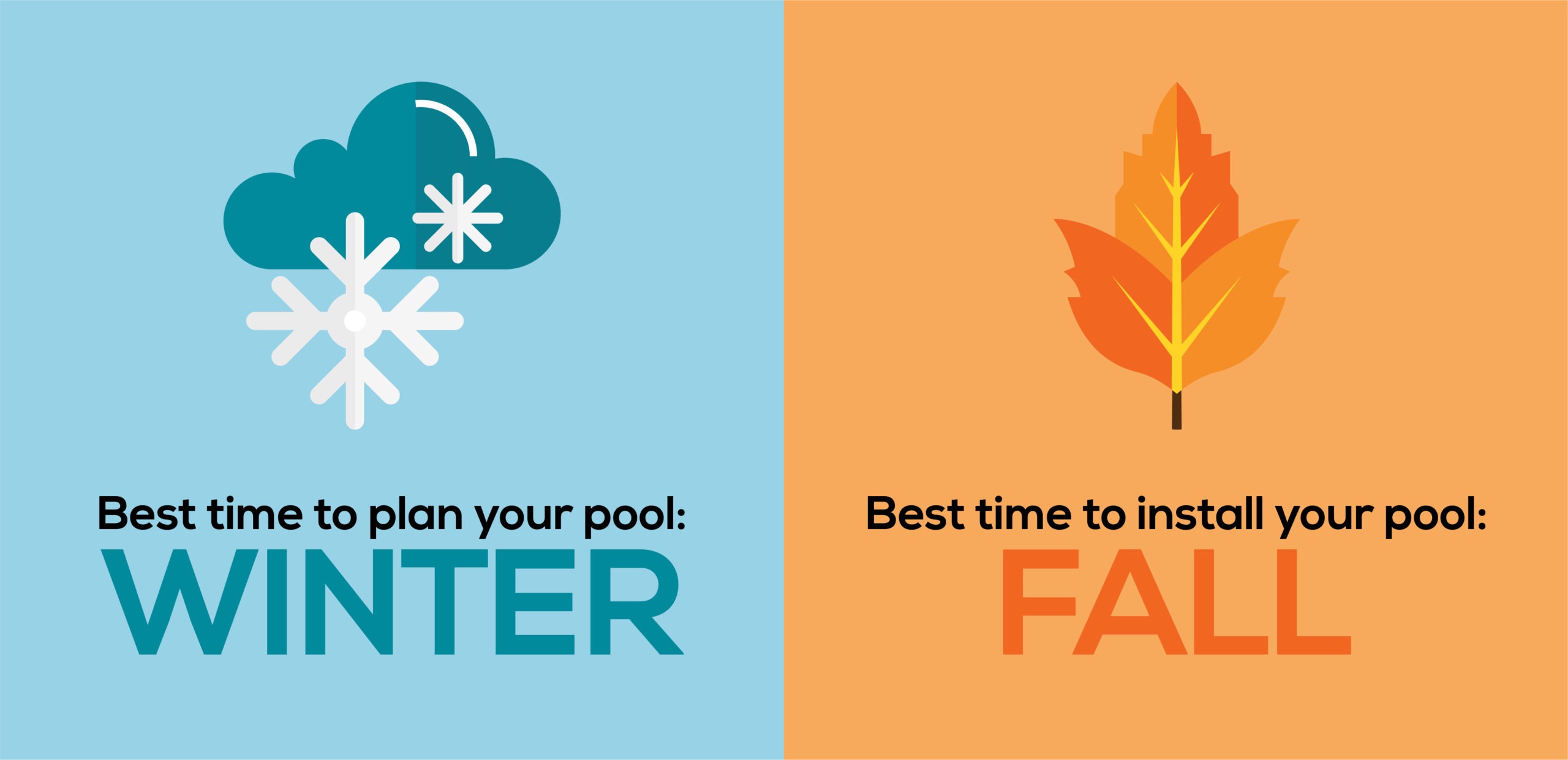
Planning a pool during winter and into early spring is a good idea – we’d say February at the latest – because weather brings us inside more to talk over options. Pools are large, time-consuming projects with lots of variables in play, and taking the time to make decisions before we get to the next phase will help to move the project along that much smoother.

Benefits Before the Thaw

  • When that first thaw kicks in, we are moving twice as fast. By the time the snow is gone completely we are fully engaged in the construction process. Planning during the cold months gives you enough time for everything to go smoothly so we can move quicker to make it happen.
  • You’ll get a better place in builders’ schedules during the spring, if we already had the project underway going into the cold season.
  • By planning during early winter we can make that pool happen the upcoming season.
  • Mud is worse than snow.

The Best Season for Installing Your Pool

Just for a reality check, depending on the scope of your project, the construction of your pool will probably take multiple seasons. If we have a wet spring, it makes it difficult to get heavy equipment in place to dig, so many times we will get started while the ground is frozen. If you ask us when our favorite time is to construct pools, we love working in the fall. Autumn conditions make it more enjoyable to do the labor involved with construction. The ground is dry and the air is cooler, making it easier for us to spray concrete all day without filling your pool with sweat.

Autumn Benefits:

  • Everything is better – digging, pouring, and curing.
  • Dry ground is predictable and allows us to move quicker.
  • Wearing a full suit and a mask while in the bottom of a pool, throwing gunite at 3,000 psi is exhausting and the season offers an ounce of relief.

Upstate NY Pool Planning?

If you want your pool to be ready for summer, talk to us the fall before and commit before winter hits. Let us have a solid design and plan ready before spring arrives.

Things to Do First

To help make your project go smoothly, there are some things you can do before you start planning your pool or spa in earnest.

  • We recommend putting serious budget and thought into landscaping and how you want to use your yard, not just the pool. We have worked with many landscaping companies around Rochester and ironically their schedule is more limited by weather than ours.
  • Think about the structures you want. Lighting, plants, steps, ramps, fences, and more all need to be planned for.
  • Collect things you do and do not like and save those images for our discussions. It helps us build a visual for your upcoming design.

Precision for Perfection

The right time to ask us questions about planning and installing a pool is always YESTERDAY. Waiting for an ideal season isn’t an actual thing because the one thing we can’t control is the weather. Knowing what decisions have to be put in motion, we can get to your project sooner, if you let us start planning yesterday.

Categories
New Pool Construction News Pool Maintenance

Maintenance: The Real Cost of a Swimming Pool?

What Does a Swimming Pool *Actually* Cost to Maintain? 

There are costs of maintaining a pool that are easy to forget or overlook. Here we cover some of the materials, time, and costs of maintaining a pool that you might have missed. Of course, your results will vary, but this will give you a general picture. As always, call us up and we’ll work up an accurate quote for you.   

A quick search online and you find estimates place the annual cost of owning a swimming pool at $3,000 to $5,000, some websites place it at anywhere between $4,000 to $12,000 a year, maybe more. The numbers are so inconsistent, we wanted to help define what goes into maintaining a pool annually. 

There are costs associated with opening a pool, closing a pool, insurance, cleaning, repairs, and then some things you can’t predict. If you stay regular with maintenance, it is relatively predicable in the scope of budget. Whether you do the work yourself or have a professional maintain your pool, its important to know where the costs come from. 

Common Swimming Pool Costs 

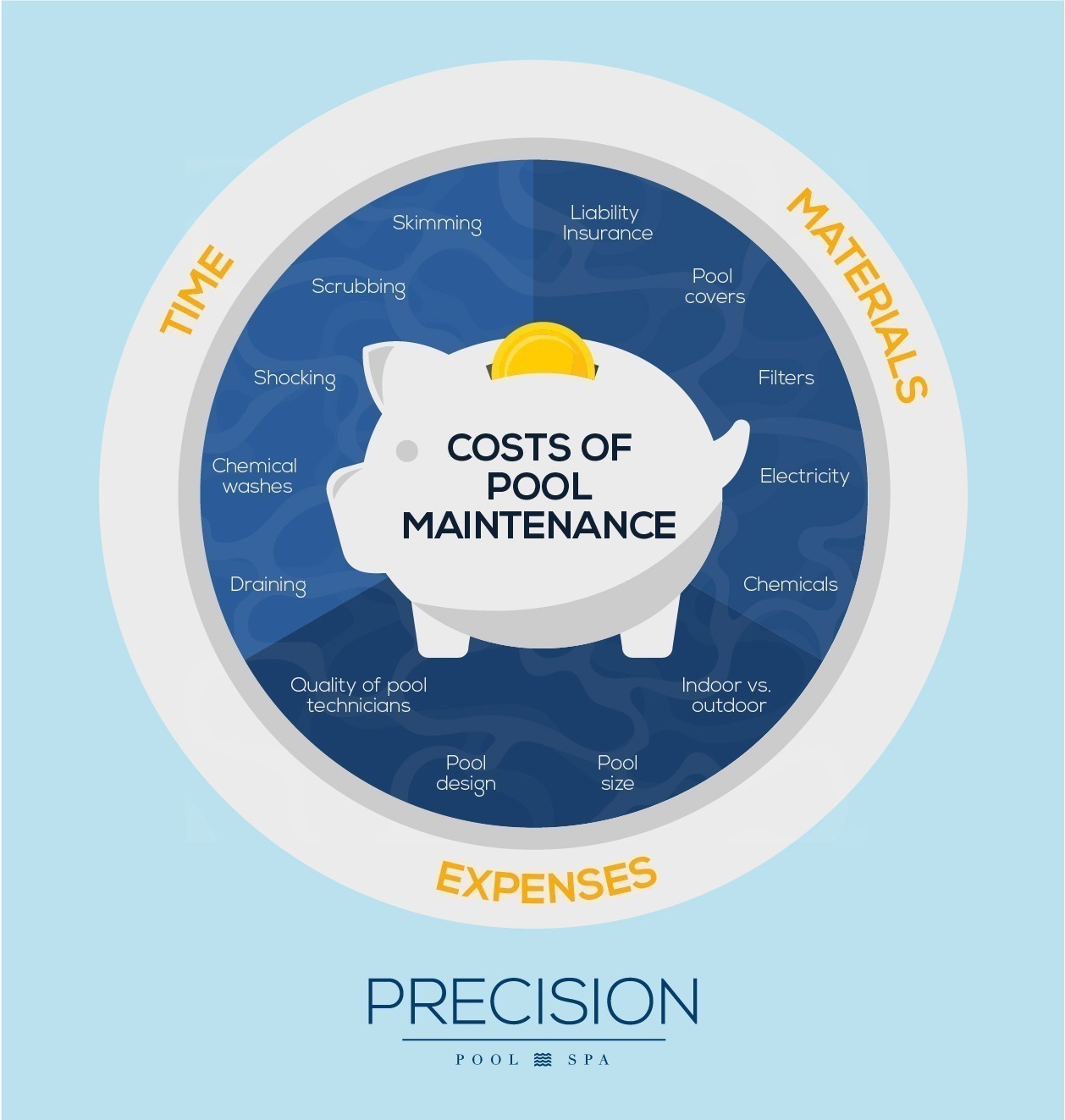
Every pool and its surroundings are different, but there are some consistent factors to consider when planning maintenance costs for a swimming pool. We’ve placed them into three categories: materials, expenses, and time.   

Pool Maintenance CostsMaterials for Maintaining a Pool 

There are lot of physical materials you’ll need to factor in to an estimate for a swimming pool. Some of these are: 

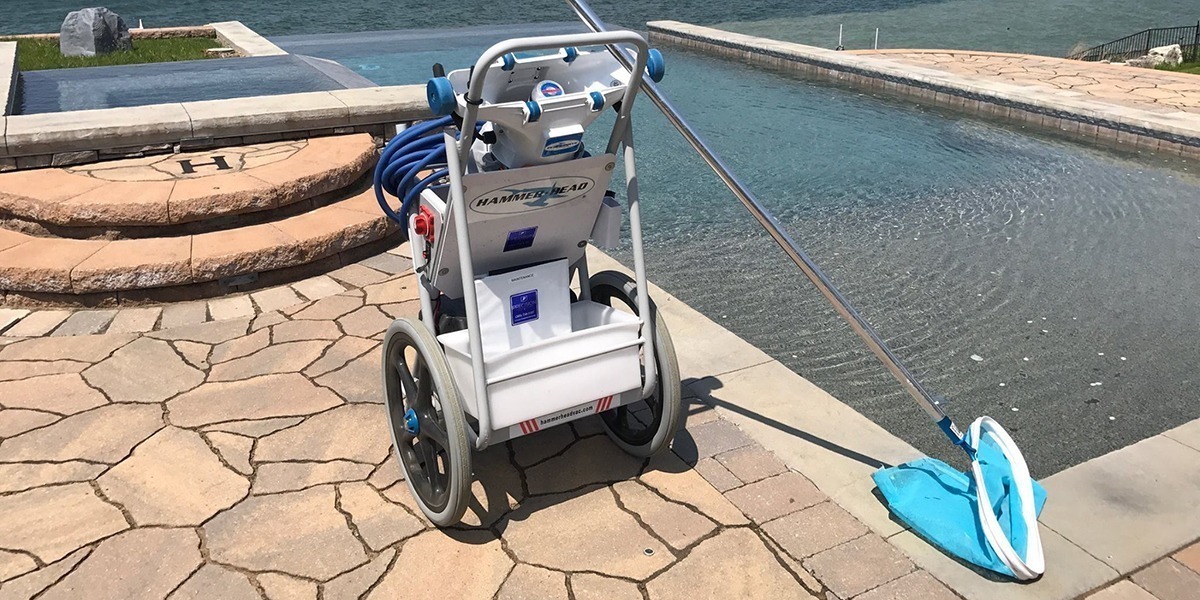
  • Pool covers are a sound investment to protect your pool from weather and outside contaminants, and to protect humans and wildlife from your pool. Every pool we maintain needs to have a safety cover and if properly maintained it will last you many years. 
  • A startup kit. We are bundling a pool net, vacuum brush, and test kit into this category because every pool we build comes with one of everything you need to get started.
  • Filters, whether sand filters, cartridge, or diatomaceous earth filters  
  • Electricity to run items like swimming pool pumps and heaters  
  • Chemicals like algae killers, chlorine and/or bromine, and stain or oil removers, which need to be added at proper intervals. Balance them right, and you won’t need to spend more to correct them. 
  • Liability insurance – it may not be a tangible item, but proper coverage is essential for swimming pool owners to have coverage on their home owners plan. 

Expenses of Maintaining a Pool 

Swimming pool cost varies according to the type of pool, what it’s used for, and frequency of use. Here are some things to take into account when calculating expenses for your swimming pool:   

  • Indoor pools versus outdoor pools: Indoor pools are much easier to maintain as they are not exposed to weather and outdoor debris or even the sun which reduces cleaning and chemicals. 
  • Pool size: Are you getting a small spa or hot tub, a “spool” hybrid, or an Olympic-sized swimming pool with deep end and diving boards?   
  • Pool design: A rectangular tiled pool will be less complex to clean and maintain than an irregularly-shaped lagoon with rocks and vegetation. Add on features like fountains or waterfalls and it changes what we need to maintain.     
  • Quality of your pool technicians: You might pay less for a low-paid, minimally-experienced pool technician, but you can’t be sure they fully understand the construction materials, chemistry, plumbing, and electricity needed to keep your pool clean, beautiful, and above all, safe.   

Time for Pool Maintenance 

Some elements of pool maintenance can be done in minutes, some take time. Some need to be done frequently, some every few months, and some pool maintenance tasks only need to happen once a year. Many you can do yourself; but some need a professional. These are some types of pool maintenance work to include in a time estimate: 

  • Opening & Closing – Annually the pool needs to be opened and prepped for winter properly. 
  • Draining the pool – If you maintain your pool, you might not need to drain it completely for years. Never leave a pool drained in our climate over the winter. If something happens and maintenance work does need to happen, draining the pool takes up a lot of time. 
  • Check the chemicals. This is the shortest most valuable time spent with your pool. Testing the pool chemistry on a regular basis will keep you pool balanced and your wallet happy. 
  • Backwashes are still a thing with sand filters. Taking the time to properly maintain the filter is a weekly task you don’t want to miss. 
  • Cleaning the pool’s surface regularly will keep you from needing to fix stains with harsher chemicals later.
  • Skimming the pool to remove surface debris, which should be done at least weekly. If you are surrounded by trees, this turns into your daily routine. 

Adding It All Up 

We are a full-service pool construction, installation, and maintenance company. Contact us today for a quote specially tailored for your pool. We’ll help you build a maintenance plan for your swimming pool maintenance needs and budget.   

When choosing a company for your swimming pool maintenance, look for a business with a track record of good reviews. Look for people who take pride in their work, who don’t cut corners, and who notice and correct small issues before they can grow.     

Categories
New Pool Construction News Pool Maintenance

Common Mistakes in Pool Design

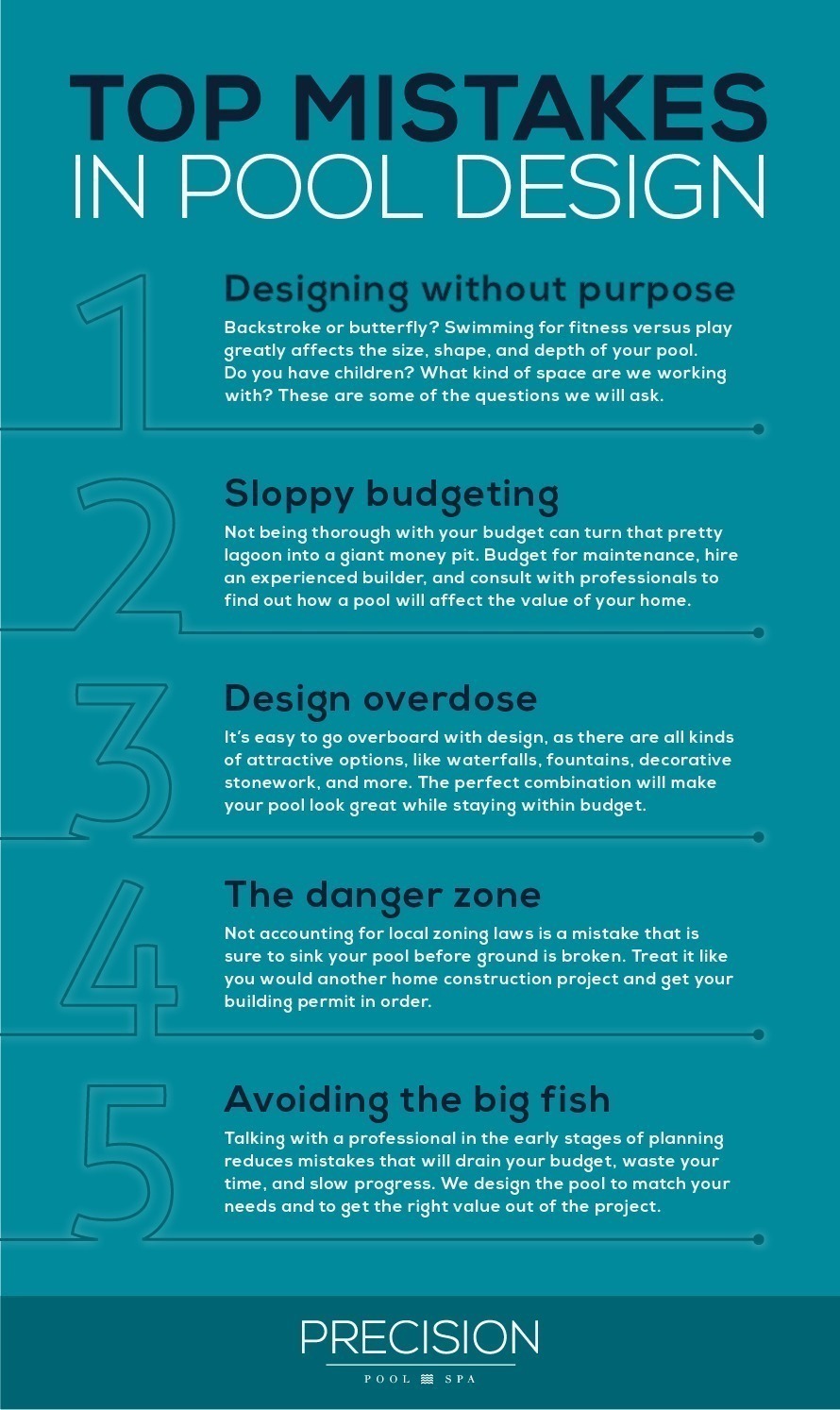
Top Mistakes in Pool Design

Pool Design: Jumping Right In

Designing your pool doesn’t need to be a complicated task. You might have an idea of what you want it to look like, but how do you get there? We want you to have a clean, beautiful pool that you can enjoy safely for many years, not one that’ll put you in a place of debt and disappointment. We get to design and guide both homeowners and businesses through the process of matching the pool design to their lifestyle every day.

Backstroke or Butterfly?

When you start planning a pool, there are a lot of things to consider and a lot of boxes to check. Some of the questions we ask are:

  • Do you want to swim laps, splash around, or catch the rays on a float? Swimming for fitness versus play greatly affects the size, shape, and depth of your pool.
  • Do you have children? Safety is our top priority, and we take extra precautions to keep little ones safe while we design a pool appropriate for their use and a pool that grows with them for years to come.
  • What kind of space are we working with? A wide-open, flat yard offers more freedom than a smaller space with trees that will drop debris where hills give us unique design ideas for waterfalls and more.

These are only a few of the factors that we keep in mind. Sometimes knowing what not to do gives us a better idea of what to do. Let’s cover some of the more common mistakes and how to avoid them in pool design.

Sloppy Budgeting

You might think that you’re taking everything into consideration when budgeting to build a pool, but it’s worth engaging a professional to take a look at your project. A well-planned pool can add a lot of value to your property and a lot of enjoyment to your leisure time, but not being thorough with your budget can turn that pretty lagoon into a giant money pit. We suggest:

  • Budget for maintenance. We can help you find the right sanitation system and put the right tools in place to keep your pool pristine in a manageable way.
  • Experience = value. While we can tell you that mistakes cost money and try to give you a guide on how to avoid them, an experienced eye on the project will spot mistakes we can’t cover in any guide.
  • Budget for value. Consult with professionals like your financial advisor and real estate agent to get an idea of how much a pool or spa could affect your financial outlook. Pools can make a property harder to sell, so if you are planning on selling your property, a pool could be a liability.

Design Overdose

Pool design impacts more than just use. Choosing the wrong design can make your pool impossible to maintain as well as increasing cost. It’s easy to go overboard on making your pool beautiful, as there are all kinds of attractive options, like waterfalls, fountains, decorative stonework, tanning ledges, and more. We’ll help you come up with the perfect combination to make your pool or spa look great while staying within budget.

Think about what you’re actually going to use. We bring a very realistic approach to pool design and having a deep end to a pool that nobody really uses any more, can move that financial dial by thousands. Are you planning to socialize poolside? Maybe a free-edge design that facilitates movement would be better than a long rectangle. Do you want your pool to be the defining feature of that space or would you rather have it compliment your surroundings?

Whether you like it sleek and minimal or are set on a adventure paradise, making smart design decisions from the beginning will make you much happier with the end result.

The Danger Zone

Not accounting for local zoning laws is a mistake that is sure to sink your pool before ground is broken. Treat it like you would another home construction project and get your building permit in order. New York building permits must account for environmental factors like the water table and where the sewer lines are. Every New York pool built or altered after December 2006 must include equipment like a state-approved alarm and a secure barrier around the pool to prevent entry, with inspections conducted multiple times throughout construction.

Precision Pool and Spa is well-versed in New York zoning laws for swimming pools and will help you make sure that everything is approved and complies with local regulations.

Swim with the Big Fish

We love seeing our clients’ dreams for their ultimate pool or spa come true, and to make that happen in the most efficient way possible, it helps for us to be involved from the beginning. That way, we can guide design the process as well as the pool to streamline your project from start to finish.

Dave always says, “It’s always about finding the right VALUE to the project.”

Talking with a professional in the early stages of planning your pool or spa reduces mistakes that will drain your budget, waste your time, and slow progress. We want to avoid all of that. Whether we are designing a backyard spool or hotel lodge retreat we design the pool to match your needs and make sure to get the right value out of the project.

Categories
New Pool Construction News Pool Maintenance

Intro to Tanning Ledges

Tanning Ledges: Maximize Your Pool’s Relaxation Value

For pool owners, tanning ledges (also called tanning shelves, baja shelves, and sun ledges) are a fabulous way to experience the luxury of sunbathing while still being able to enjoy the cooling water of their pool.

What is a Tanning Ledge?

This unique oasis is created by installing a level area in your pool that holds between six and nine inches of water. While relaxing on a tanning ledge, suddenly the pool experience truly becomes about enjoying the sun and the refreshing water—no need to worry about toppling off a raft and needing to swim!

How deep is a tanning ledge?

The depth of most tanning ledges is approximately nine inches, meaning that the ledge itself is no more than 12 inches deep. At this water level, many activities that are less possible at deeper depths become enjoyable, and the pool becomes a place where more people are able to relax.
When designing your tanning ledge, keep in mind that the depth of the tanning ledge will determine the amount of water that is in it, which becomes important when you are considering who will be using the tanning ledge most often. Typically, there are three inches of space between the surface of the water and the top of the pool’s edge. For example, a nine-inch-deep ledge will provide six inches of water; this depth is perfect for small children and pets.

How much space does a tanning ledge take up?

Many people choose to bring furniture onto their tanning ledges, creating a cooling space to enjoy a drink and a book. To accommodate this, tanning ledges are generally at least five feet wide, offering enough space for one or more lounge chairs. For those hoping to bring out an umbrella or a small table, a larger space may be necessary.

Who Benefits from Using a Tanning Ledge?

Tanning ledges open up the pool for use by many people who otherwise might shy away from the water. For instance, for those with mobility issues, tanning ledges provide the perfect depth for being able to use a larger area of the pool without needing to negotiate stairs. Tanning ledges also offer a safe space for your younger loved ones to enjoy the water. As tanning ledges can be designed to be entirely separate from the deeper areas of the pool, families often use tanning ledges as a shallow place for children—or pets!—to play.

Customization is Key

Besides the practical aspects of having a tanning ledge, there are many ways to customize the design of your ledge to increase its unique factor. Many people add lights and bubblers—these sensory accessories provide a more enriching visual and aural experience, especially in the evening hours. Lights can come in any color and can be customized to change at different intervals or at certain times. Bubblers shoot a stream of water above the pool’s surface, creating a fountain effect. You can even combine the two features: Many bubblers come with lights built in! A favorite of every pool-dweller, lights and bubblers add a tranquility to the tanning ledge experience.

Imagine a built-in umbrella stand creating a little shade for the especially sunny days. Adorn your tanning ledge with matching tile or a custom mosaic tile design. Add a bubbler or a waterfall to your sun shelf and you’ll have the perfect place to relax and enjoy your pool.

Because we design every pool completely custom, you will have the luxury of creating the perfect size, shape, and location of your tanning ledge.