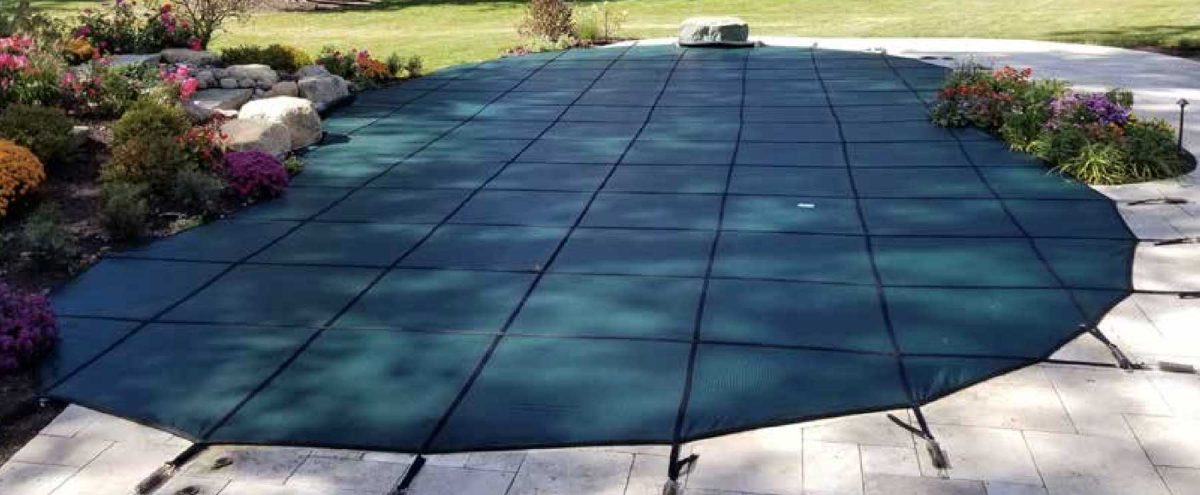
There are states that do require safety covers on in-ground pools. Currently, it is not a requirement in New York State to have a safety cover on your pool if you have a proper barrier surrounding the pool. While it may not be a state requirement for winter closings, WE REQUIRE that you have a proper safety cover in place, despite what NY State law says. A proper safety cover is a small investment that will prevent children, pets and other items from entering the pool from inside the barrier.
What are the Laws?
In New York, any pool needs to be restricted access by the use of barriers such as fences or walls preventing access with a minimum of 4 feet of clearance. Here is a quick link to the New York State regulations if you are interested in the details.
https://www.dos.ny.gov/DCEA/pdf/PoolsumUC0708.pdf
Should New York update their law?
Yes, but we don’t need a law to make it our policy to do the right thing.
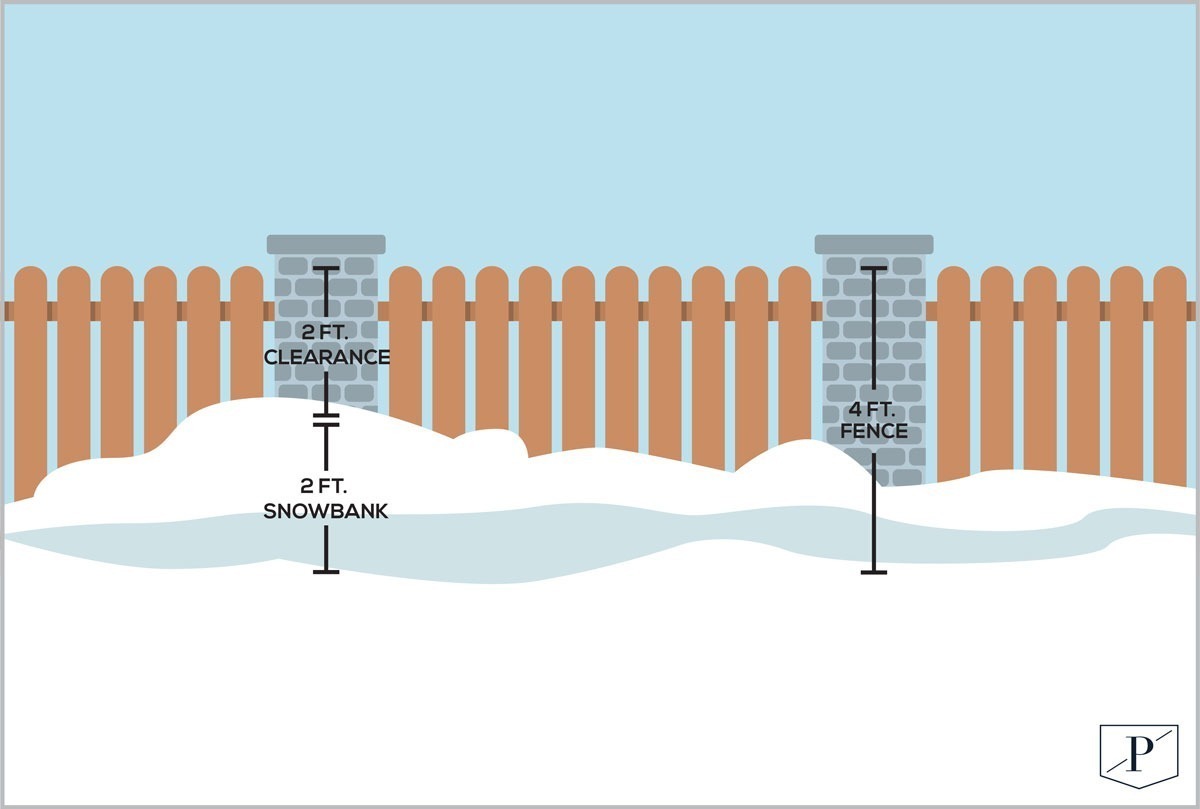
A “proper barrier” is a fence that surrounds the pool from outside access. For summer months this works for keeping kids and pets out of the entire pool area. In the winter months however, this barrier isn’t enough. The barrier law requirements are that you have a 4 foot tall wall restricting access to the entire area of the pool. When it snows in upstate New York, the ground level changes, and that 4 foot fence is no longer 4 feet. We have fond memories building snow mounds in the winter, sledding and watching the ground disappear.
When we close our pools for the winter, the most dangerous times for access to happen are during the winter months when the fence barrier can’t prevent access.
What do you need?
Protect your family, your pool and others by getting a pool safety cover over the winter. If we close your in-ground pool, we REQUIRE that you have a proper safety cover. Inspect the safety cover annually when opening the pool in the spring. We inspect the covers when we open the pools because it allows us to get it properly fitted and repaired if something was not working properly before the next season.
How do they work?
There is a standard for safety that all safety covers must comply with ASTM F 1346-91. This ensures that the cover can hold certain weight standards on top of them and that they will not fail. Unlike old tarp covers, safety covers are tamper-proof, in that they prevent entry without an installation rod. There are tensioning springs that connect into mounting points setup in the concrete or patio around your pool. Once all connected, they make a strong barrier that makes them safe. We measure each pool at work with GLI Products to design your custom safety cover, so it first perfect.
Will you close our pool, knowing we don’t have a proper cover?
NO! This is a bit of a deal breaker for us. We are not offended if you choose to close your own pool or hire others that don’t use safety covers
Are there Summer Safety Covers?
There are options for people who want the benefit of a safety cover in the summer. We setup and Install automatic pool covers from CoverSafe. Check out this pool that has a safety cover and see how it works.